
Reverse Sneezing in Cats: What Causes It and When To Worry
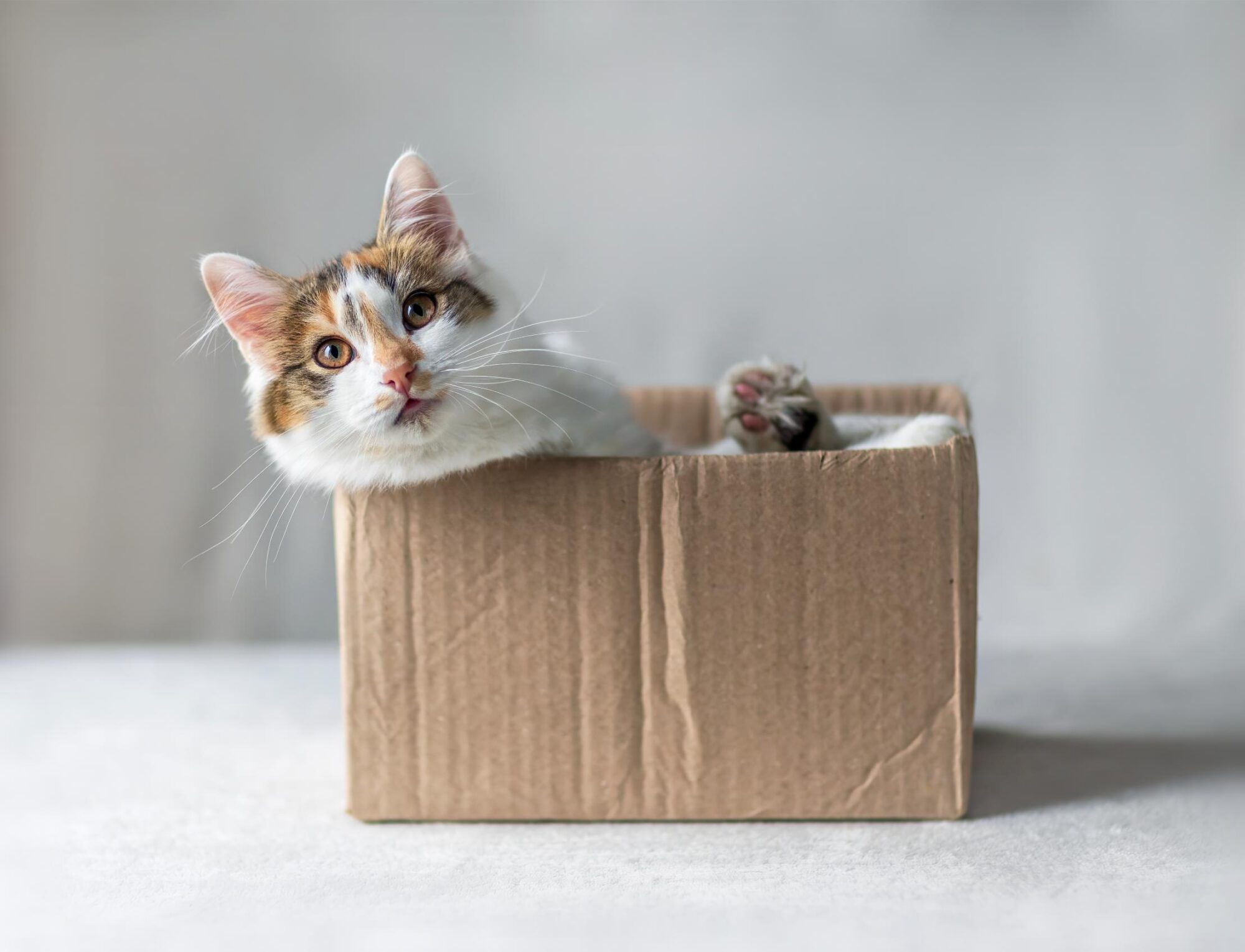
That sudden snorting or honking sound from your cat can be surprising, especially the first time you hear it. It looks (and sounds) dramatic, but it’s often something called reverse sneezing. At Curem Veterinary Care in Mesa, we frequently hear from cat parents wondering whether this strange phenomenon is normal or something to worry about. Let’s demystify reverse sneezing in cats: why it happens, and when it’s time to visit your Mesa vet clinic for help.
What Exactly Is Reverse Sneezing?
Reverse sneezing isn’t quite a sneeze in the usual sense. Instead of expelling air, your cat rapidly inhales through the nose, creating that distinctive snorting sound. The episode may last a few seconds to a minute, and can be accompanied by your cat extending their neck or standing still while it happens.
It’s caused by a spasm of the soft palate and throat that temporarily restricts airflow. While it can be unsettling to watch, reverse sneezing is usually harmless and resolves on its own once your cat relaxes.
Common Triggers for Reverse Sneezing in Cats
Several factors can irritate the nasal passages or throat, setting off a reverse sneezing episode. Among the most common triggers are:
- Allergies: Pollen, dust, smoke, or scented candles may cause irritation
- Foreign particles: Tiny bits of litter, fur, or debris can enter the nasal passages
- Excitement or stress: Sudden bursts of energy or anxiety sometimes lead to short bouts
- Temperature or humidity changes: Dry indoor air or strong air conditioning can contribute
- Underlying respiratory conditions: In some cases, feline respiratory issues, such as infections or inflammation, can make reverse sneezing more frequent
If your cat only has an occasional episode and quickly returns to normal, it’s usually nothing to worry about. However, frequent or prolonged episodes could signal a more serious condition.
When To Be Concerned
While most Mesa cats experience reverse sneezing at least once without any cause for concern, certain signs mean it’s time to call your veterinarian. Contact your Mesa vet clinic if your cat:
- Has frequent or long-lasting episodes
- Shows nasal discharge, coughing, or wheezing
- Appears lethargic, struggles to breathe, or refuses food
- Has swelling around the face or mouth
- Makes similar noises while sleeping or resting
These symptoms may indicate infection, allergies, asthma, or another condition affecting your cat’s upper airways. It’s always better to have your veterinarian check things out, especially since cats are experts at hiding discomfort.
What To Expect at the Vet
If your cat’s reverse sneezing seems excessive, your vet will start with a thorough physical exam. Depending on what they find, they may recommend:
- Nasal or throat examination: To check for inflammation, foreign bodies, or dental issues
- Imaging: Such as X-rays to look for obstructions or anatomical abnormalities
- Allergy testing or cultures: To rule out respiratory infections or allergic reactions
Treatment focuses on addressing the underlying cause. That might mean antihistamines for allergies, antibiotics for infections, or humidifiers to ease dryness. In many cases, though, reassurance and monitoring are all that’s needed.
At Curem Vet Care, our goal is to make your cat’s visit as stress-free as possible. Learn about our cats-only exam rooms in this blog post.
Helping Your Cat at Home
You can often reduce episodes of reverse sneezing by making small environmental adjustments:
- Keep your home smoke and fragrance-free
- Regularly replace air filters and vacuum to reduce allergens
- Use a humidifier during Arizona’s dry winter months
- Avoid using dusty litter that may irritate your cat’s nasal passages
These steps not only minimize reverse sneezing, but also promote better overall cat health in Mesa’s desert climate.
Caring for Your Cat’s Breathing and Beyond
While the occasional reverse sneeze isn’t usually cause for panic, it’s smart to stay alert to patterns and other signs of discomfort. If something seems off, trust your instincts—no one knows your cat better than you do.
Our team is always here to support your cat’s health and comfort, whether it’s a mild case of reverse sneezing or a more complex respiratory concern. Call us at (480) 787-0544 to schedule a feline wellness visit. Let’s keep your feline friend breathing easy and feeling their best.