
Dehydration That Doesn’t Look Like Dehydration in Cats
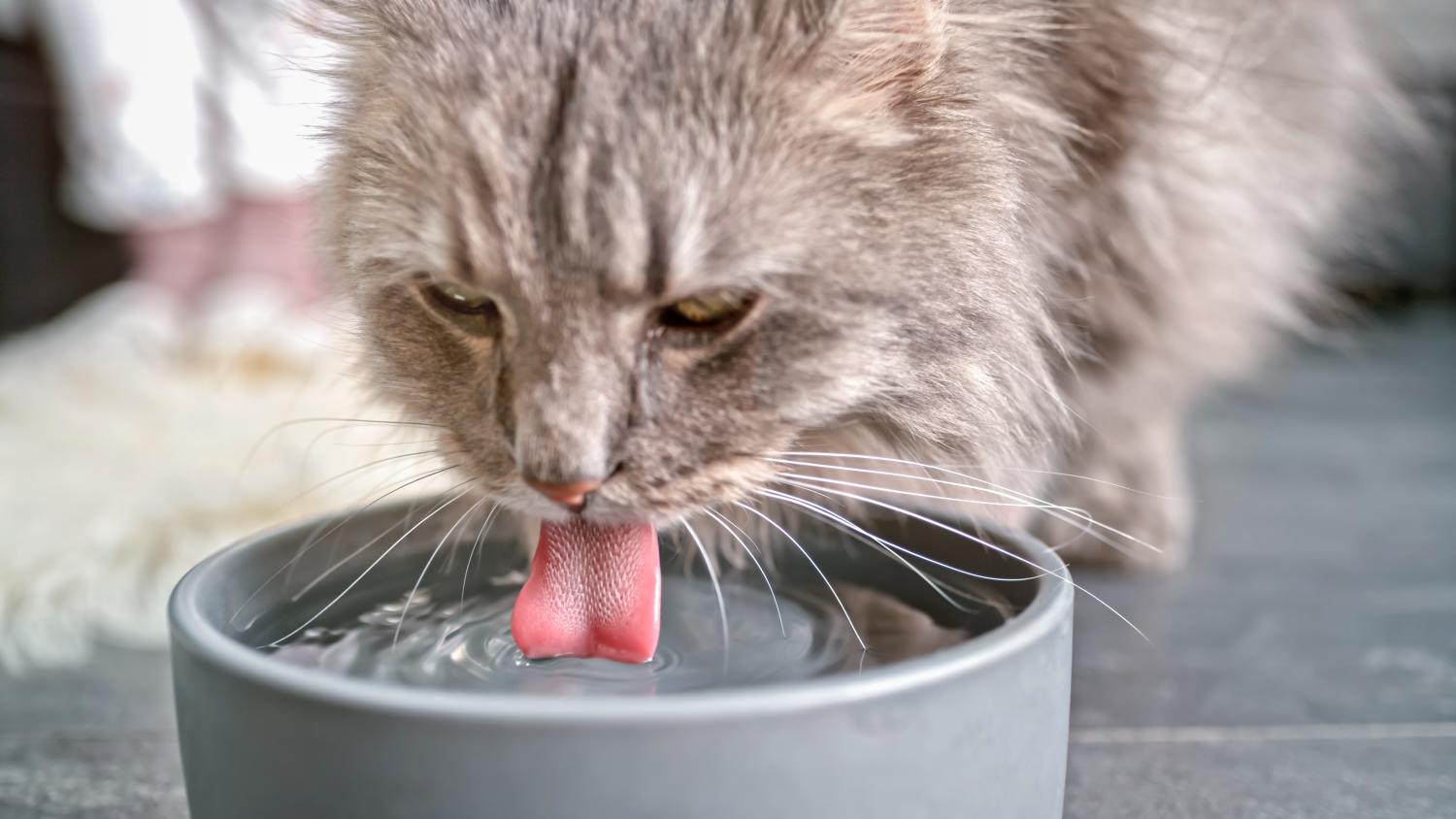
Cats rarely make a big fuss when something is wrong, especially when it comes to hydration. That is why dehydration can sneak up in ways that are easy to miss. In places like Arizona, where heat is part of daily life, paying attention to your cat’s water habits and behavior matters more than most people realize.
Subtle Signs of Cat Dehydration You Might Miss
When we talk about the subtle signs of cat dehydration, we are not just talking about an empty water bowl. Cats can look completely normal and still be dehydrated. The signs are quiet and easy to overlook unless you know what to watch for.
Subtle signs to look for:
- Slightly dry or tacky gums
- Sleeping more deeply or longer than usual
- Hiding more or becoming less social
- Mild drop in grooming habits
- Less interest in play or movement
Another clue is a slow change in skin elasticity, though this is not always easy to check at home. What matters most is noticing patterns. If your cat seems off for more than a day, it is worth a visit to your preferred veterinarian.
Feline Fluid Loss Symptoms That Aren’t Obvious
Feline fluid loss symptoms can blend into normal cat behavior, which makes noticing them tricky. What looks like laziness may actually be the body conserving fluids.
Signs include:
- Reduced appetite
- Dull or dry-looking coat
- Fewer trips to the litter box
- Low energy
- Behavior changes
- Changes in drinking habits
Your cat’s drinking habits matter because it is not always about drinking less. Some cats actually drink more but still cannot keep up with fluid loss. Fluid loss can come from heat, illness, or diet issues. Any shift in drinking habits is worth paying attention to.
You may also notice:
- Drinking quickly, then walking away
- Visiting water more often in small amounts
- Avoiding the bowls they normally use
Even small changes in hydration behavior can be an early warning sign that something deeper is going on.
Arizona Cats & Desert Hydration
Living in the desert means thinking a little more about hydration. Dry air, high temperatures, and indoor cooling systems can all contribute to moisture loss. Even indoor cats, who seem safe and comfortable, are still affected.
In Arizona, you may notice:
- Water evaporates faster
- Cats stay in shaded areas
- Increased daytime resting
Cats in hot climates do not always express thirst in obvious ways. Many depend on moisture from their food for hydration. That is why wet food can be beneficial, and why multiple water stations throughout the home can help support healthy hydration. Small environmental changes can make a meaningful difference in overall wellness.
Mild Dehydration Symptoms
Mild dehydration symptoms are often the easiest to overlook. Your cat may still act mostly normal, greeting you, eating, and playing, but tiny shifts in energy or behavior can quietly signal a problem.
Watch for behavior changes like:
- Slower movement
- Less grooming
- Quieter vocal changes
- Smaller litter box output
Cats rarely exaggerate symptoms, so even mild changes deserve attention. These early signs are often the best chance to act before dehydration becomes more serious.
When to Call Your Vet About Hydration Changes
If you notice ongoing changes in drinking, energy, appetite, or litter box habits, it is a good idea to check in with your veterinarian. Hydration issues are much easier to treat early, before they become a serious medical concern. A simple exam can help determine whether your cat needs supportive care, diet changes, or further testing.
At Curem Veterinary Care, we are here to help you sort out what is normal, what is not, and what needs attention right away. When in doubt, it is always better to ask.